News
FRISSBE Explores Advanced Battery-Safety Research and Collaboration in Grenoble
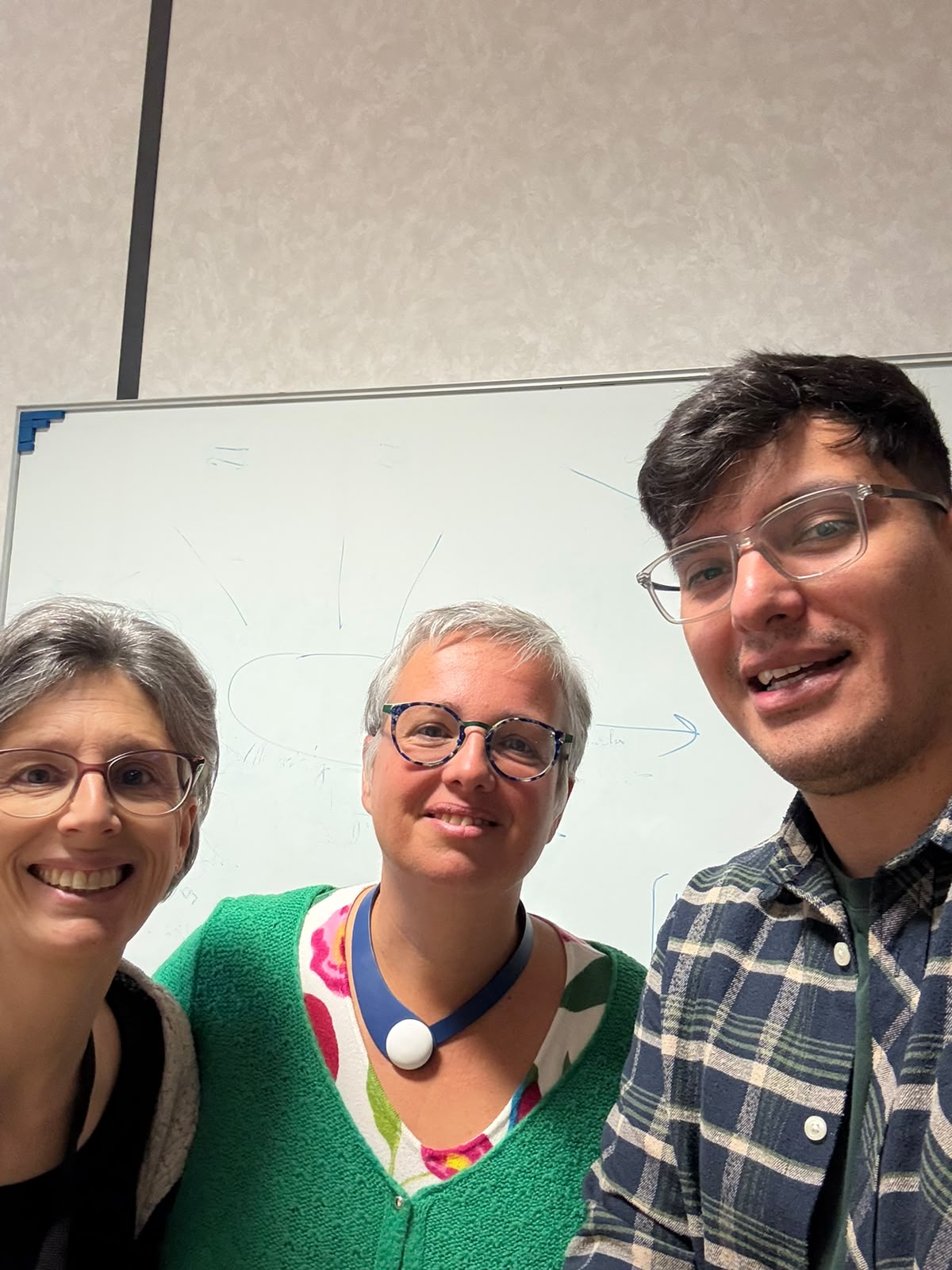
From 31st October to 1st November, Dr Ulises Rojas-Alva from FRISSBE-ZAG visited the European Synchrotron Radiation Facility (ESRF) and CEA-Liten in Grenoble, France.
The visits provided an opportunity to observe advanced research on lithium-ion battery thermal runaway and discuss future collaboration on battery safety, particularly for battery applications in buildings and the wider built environment.
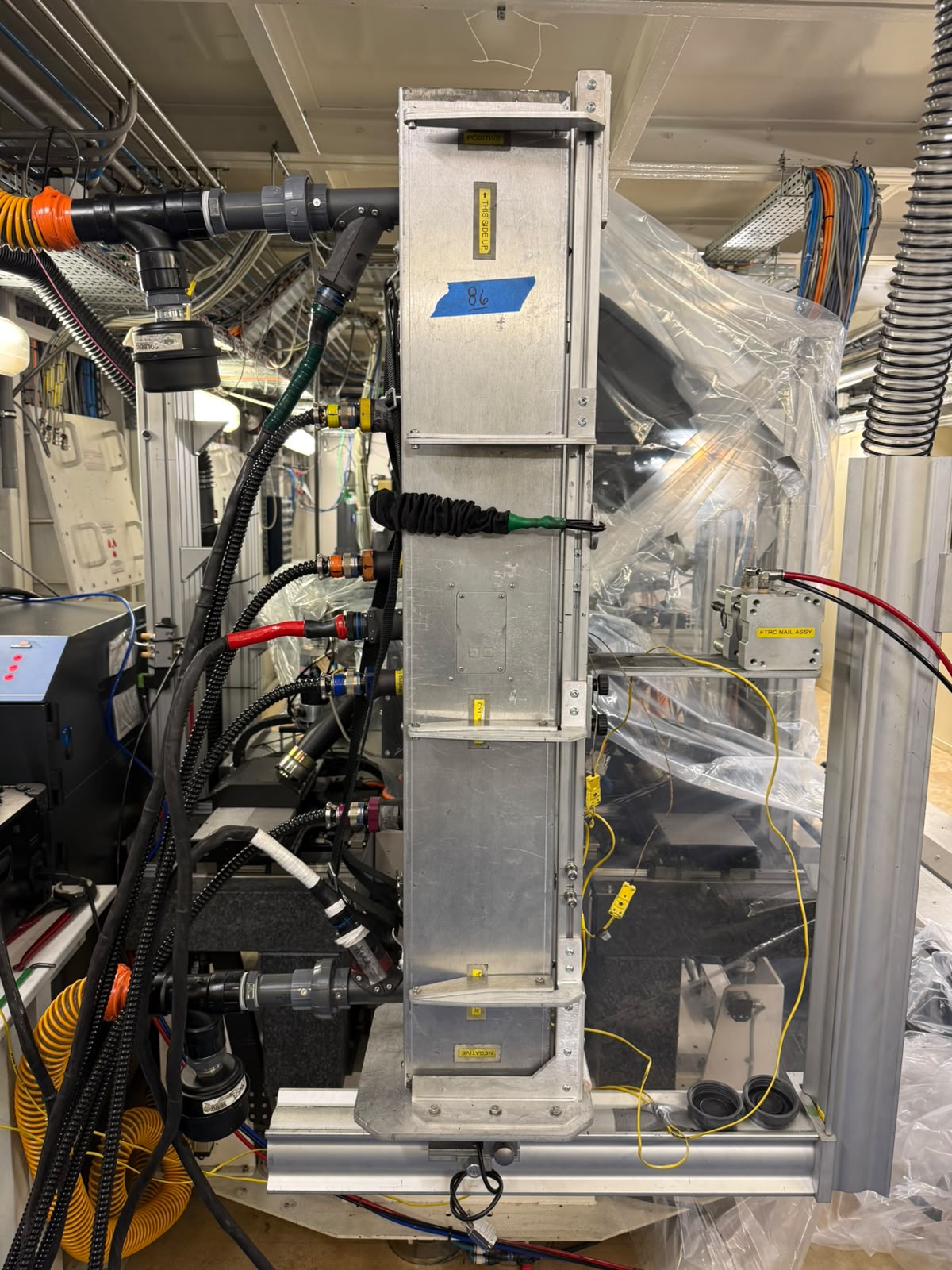
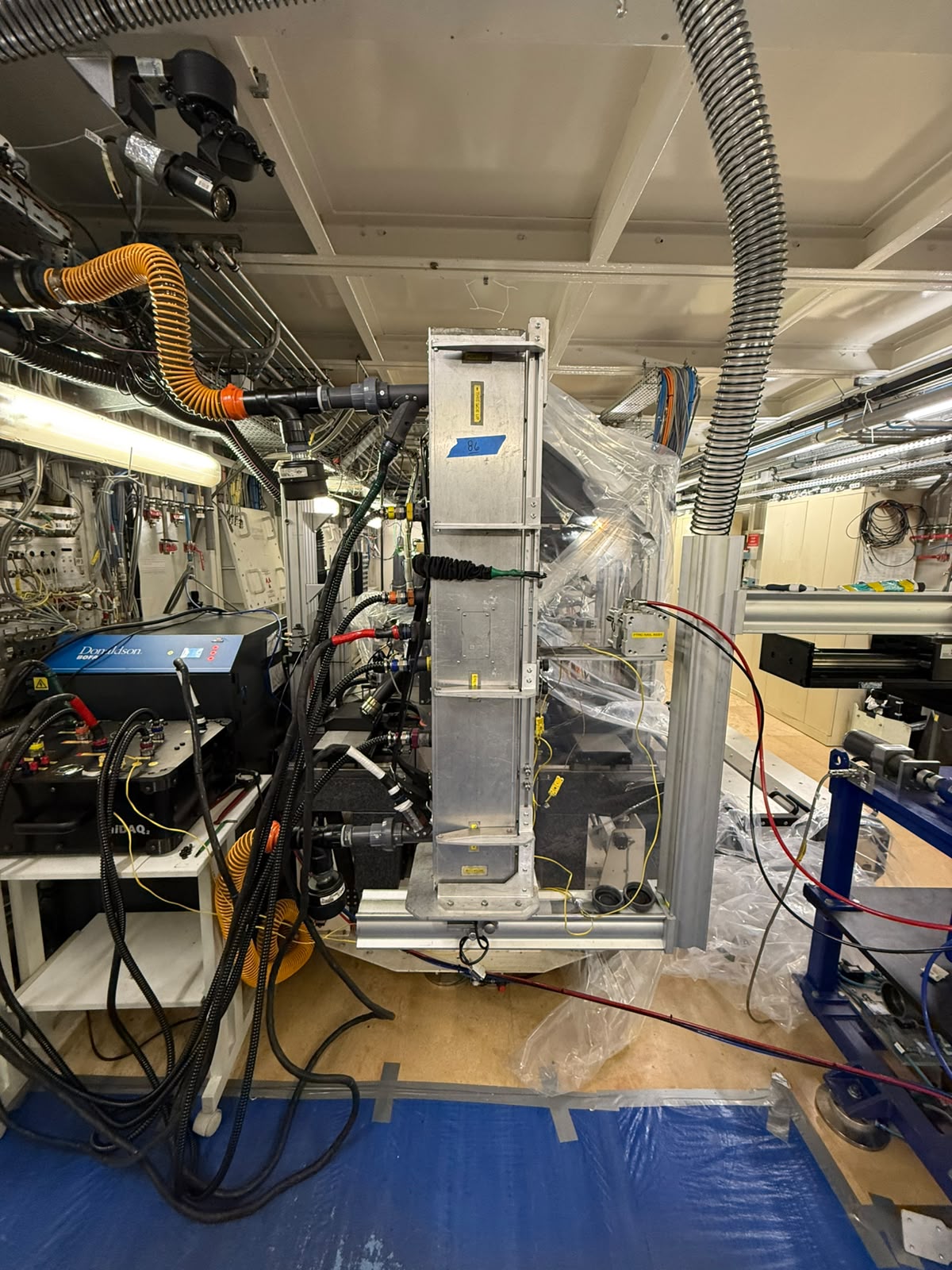
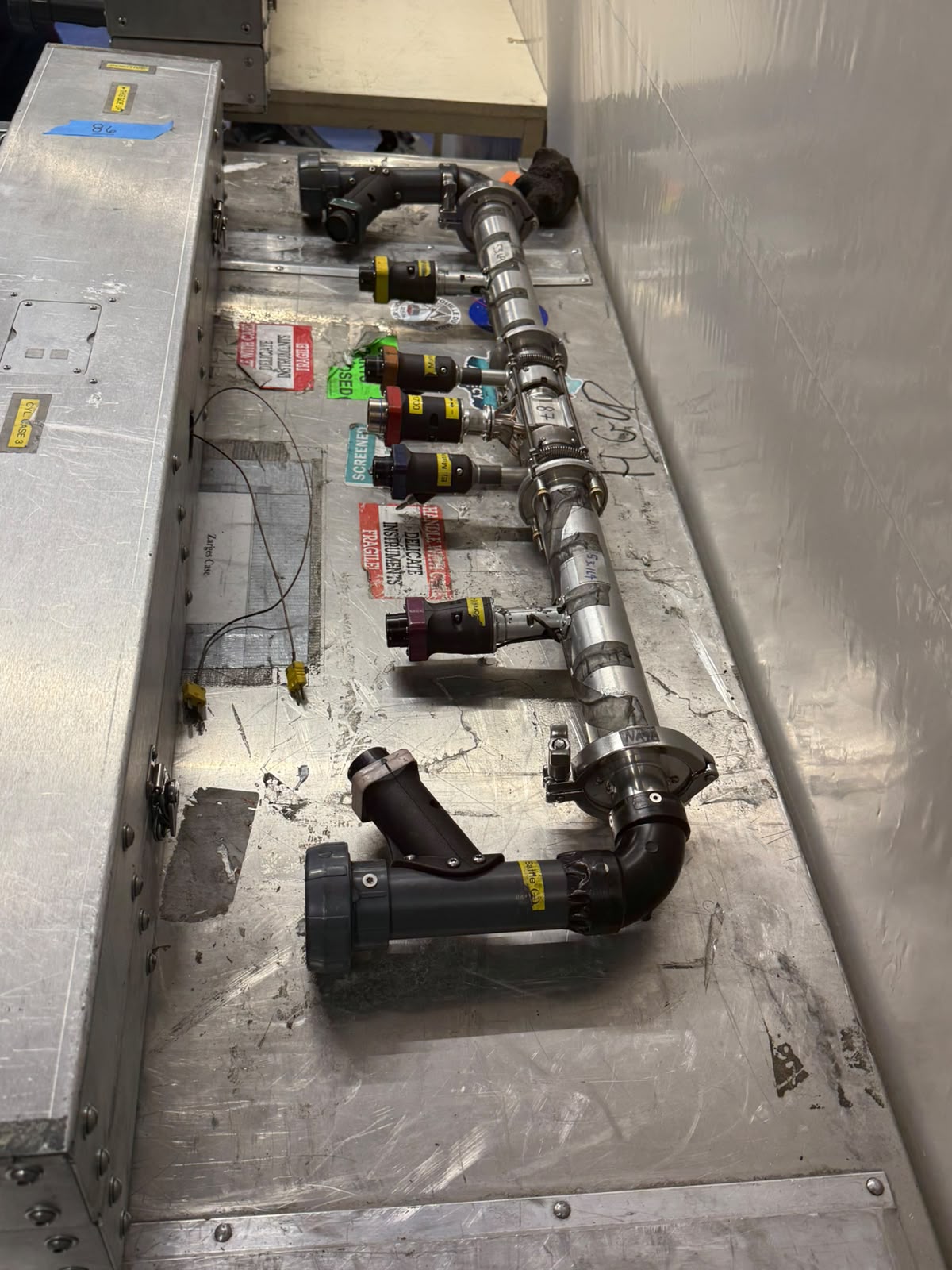
Observing NASA’s thermal-runaway research at ESRF
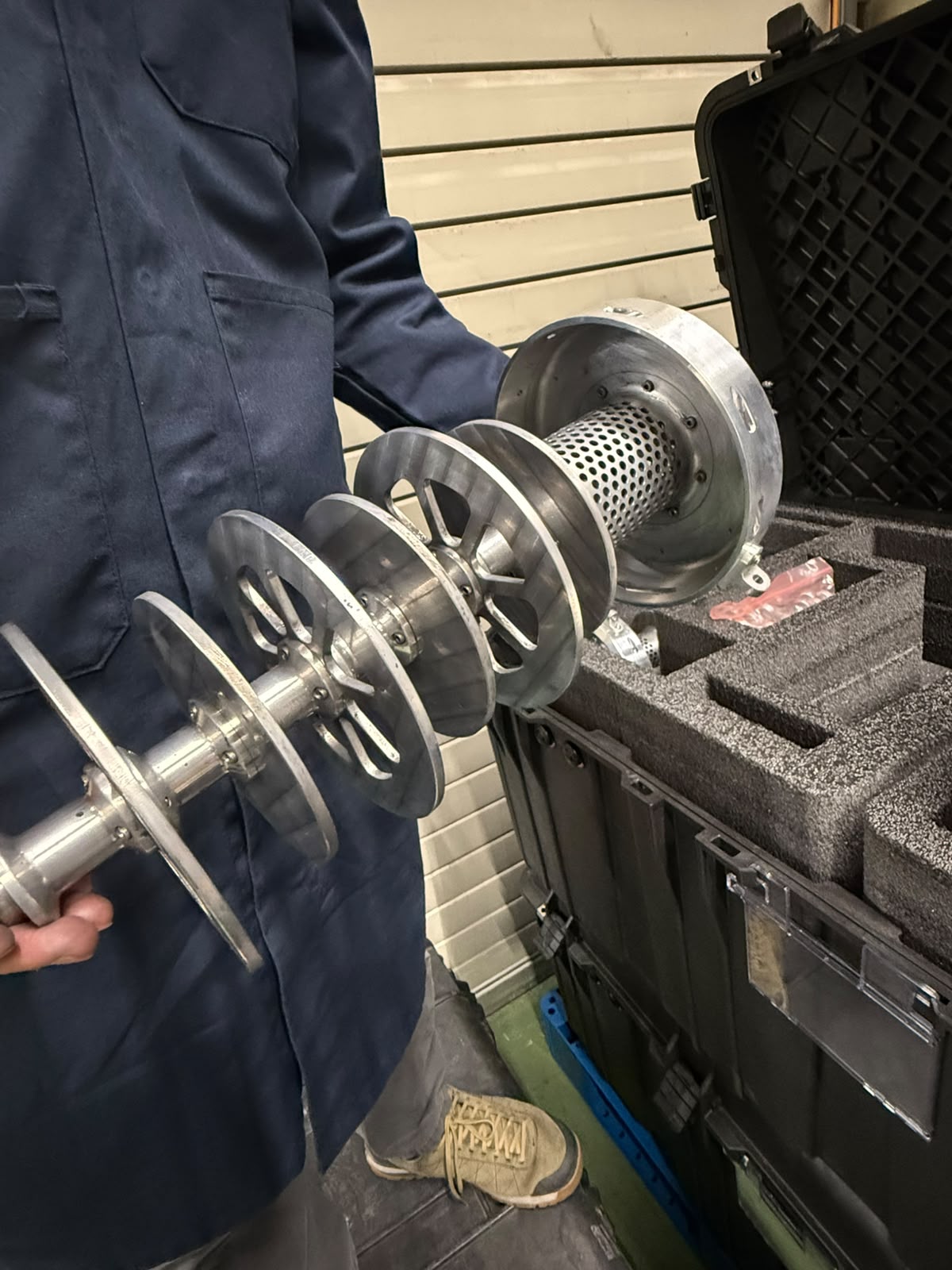
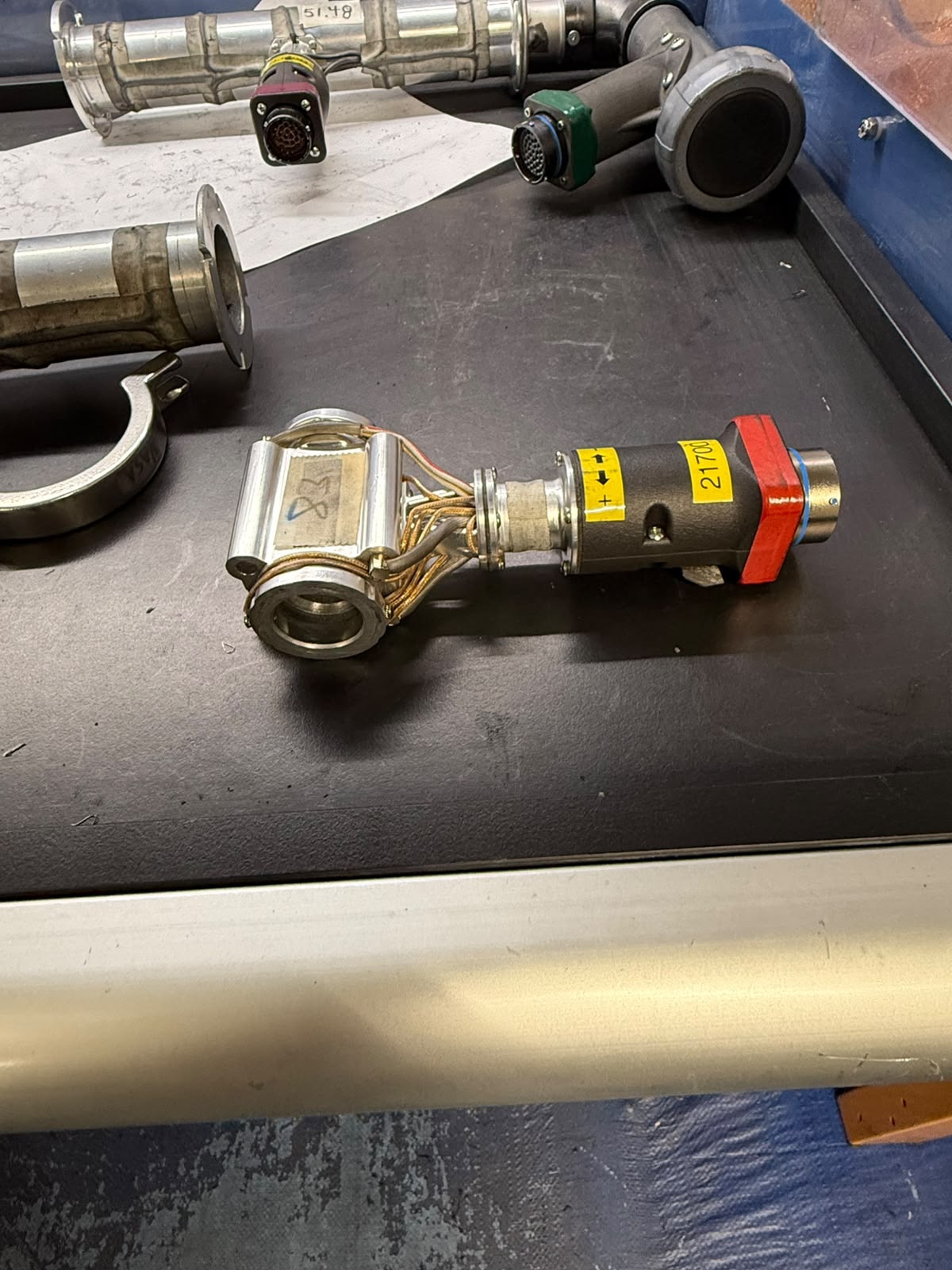
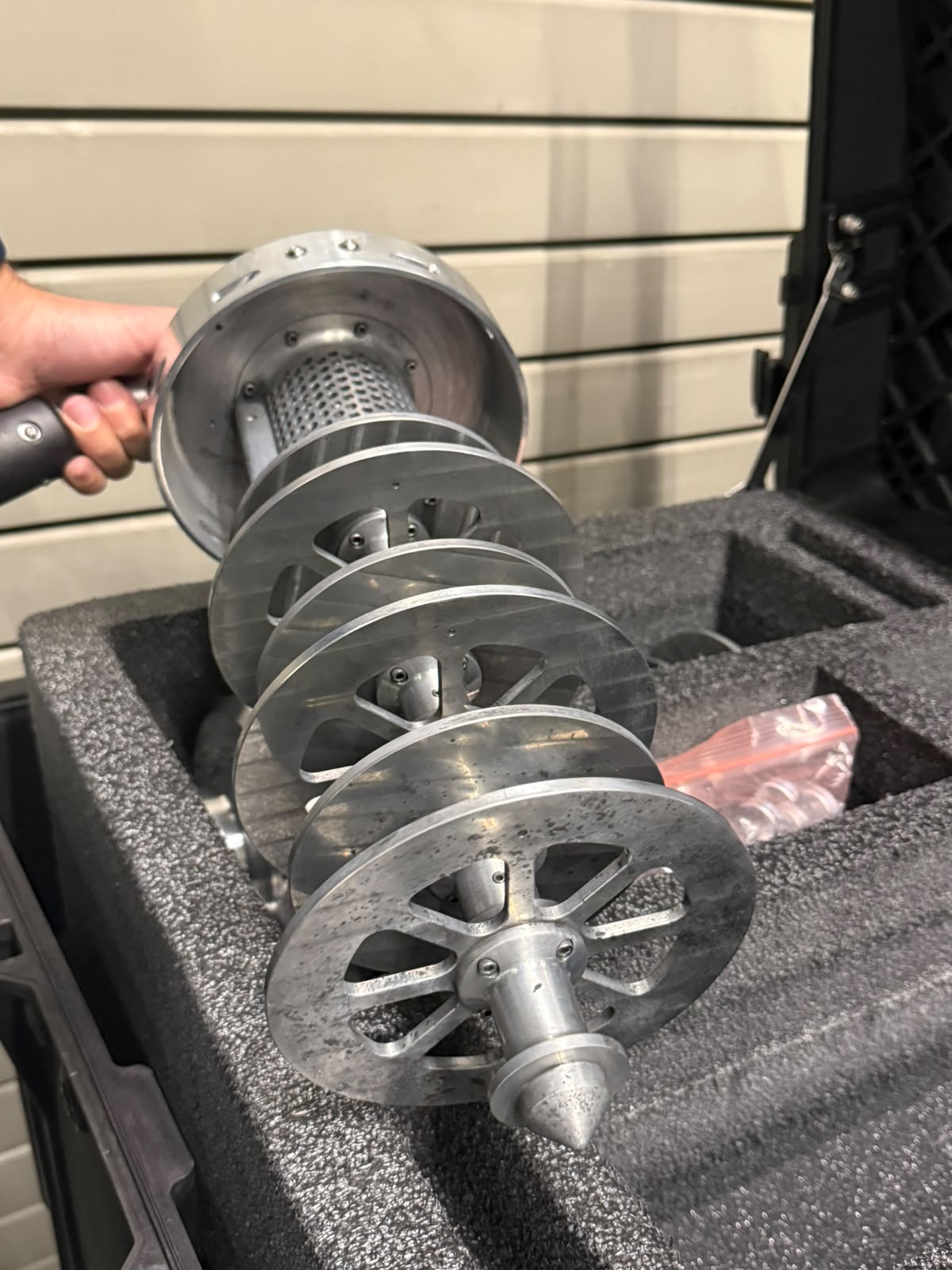
At ESRF, Ulises met a visiting team of NASA researchers conducting in situ X-ray experiments using the Fractional Thermal Runaway Calorimeter, or FTRC. Dr Alexander Rack from ESRF hosted and facilitated the visit, enabling direct discussions with the NASA team and observation of the experimental procedures. During thermal runaway, energy can transfer through the battery-cell casing or be released through hot gases, flames, and ejected material. The FTRC measures both the total energy release and its distribution among these different pathways. Its compatibility with high-speed X-ray imaging also enables researchers to relate the measured energy release to internal processes such as vent activation, electrode displacement, casing rupture and material ejection. Research by Walker et al. showed that, for most of the tested 18650 cell configurations, approximately 20% to 30% of the total thermal-runaway energy was released through the casing, while most of the remaining energy was carried by ejecta. The study also demonstrated that thermal-runaway severity depends not only on chemistry and stored energy, but also on cell design, venting features, casing thickness and failure mechanism. Understanding these energy pathways is important for designing cell spacing, thermal barriers, controlled venting arrangements and battery enclosures that limit propagation to neighbouring cells and modules.
Exploring collaboration with CEA-Liten
The second visit took place at CEA-Liten, a major European research and technology organisation specialising in low-carbon energy and energy-storage technologies. Discussions focused on potential collaboration in battery safety, particularly for stationary energy-storage systems and other battery applications in residential, commercial and industrial buildings. The CEA-Liten Batteries Platform covers the battery development chain from materials, electrodes, and electrolytes to cells, packs, system integration, and electrical testing. Its activities encompass lithium-ion and post-lithium-ion technologies for mobility, stationary storage, space and other specialised applications. The platform includes approximately 3,000 m² of facilities, including around 1,000 m² of anhydrous chambers, and represents an investment of approximately €40 million. Its capabilities include pilot manufacturing, physicochemical characterisation, multiscale modelling and battery abuse testing.
From cell-level research to fire-safe buildings
The two visits addressed complementary parts of the battery-safety research chain. At ESRF, the focus was on observing and quantifying cell behaviour during thermal runaway. At CEA-Liten, the discussions covered battery development, testing, integration, and practical applications. For FRISSBE-ZAG, connecting these research scales is essential. The safety of batteries installed in buildings depends not only on cell chemistry and system design, but also on:
- prevention of cell-to-cell and module-to-module propagation;
- management of flammable and toxic gases;
- enclosure integrity and pressure relief;
- fire detection, ventilation and suppression;
- separation and compartmentation;
- access for emergency responders;
- and post-incident monitoring and recovery.
The visits created a valuable basis for future cooperation on battery-failure characterisation and translating experimental findings into fire-safety solutions for battery applications in the built environment.
FRISSBE-ZAG thanks Dr Alexander Rack, the visiting NASA researchers and the CEA-Liten team for the technical exchange and productive discussions.